Published – September 25, 2026
Buying a property is one of the biggest financial decisions a person makes. Before paying an advance or signing an agreement, it is important to confirm that the property has a clear ownership history, valid approvals and no hidden legal issues.
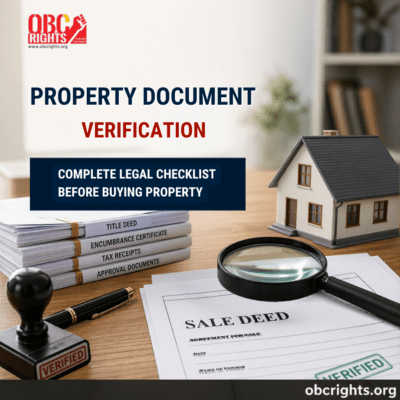
Property document verification is the process of checking ownership records, title history, government approvals, financial liabilities and other legal documents to understand whether a property is safe to purchase.
A proper verification process helps buyers identify possible risks such as ownership disputes, unpaid dues, illegal construction, unclear titles or documentation problems before investing their money.
Property Document Verification Checklist Before Buying
| Document | Why It Should Be Checked |
| Sale Deed | Confirms ownership transfer |
| Title Deed / Mother Deed | Shows ownership history |
| Encumbrance Certificate (EC) | Checks registered loans and claims |
| Patta / Land Records | Confirms land ownership details |
| Approved Building Plan | Verifies construction approval |
| RERA Registration | Checks project registration details |
| Property Tax Receipts | Confirms tax payments |
| Survey Documents | Confirms land boundaries |
| Legal Heir Documents | Required for inherited properties |
| Power of Attorney | Verifies authorised sale rights |
What Is Property Document Verification?
Property document verification is the legal and factual checking process carried out before purchasing real estate.
It involves verifying:
- Who legally owns the property
- Whether the seller has the right to sell
- Whether ownership records are continuous
- Whether loans or claims exist
- Whether construction and land use approvals are valid
- Whether any disputes are connected to the property
In simple terms, it helps buyers understand whether the property they are purchasing is legally clear and suitable for investment.
Why Is Property Document Verification Important?
Skipping verification can create serious problems after purchase, including:
- Ownership disputes
- Fake or incomplete documents
- Pending loans or legal claims
- Problems during resale
- Issues with bank loan approval
- Government approval complications
A property may look attractive because of its location or price, but document verification helps confirm the legal safety behind the investment.
Documents Required for Property Verification
Before purchasing a property, buyers should collect and review important documents.
1. Sale Deed Verification
What to check:
Whether the seller is the actual legal owner.
Verify:
- Seller name matches ownership records
- Property details are correct
- Document is properly registered
- Previous ownership transfers are available
Risk if ignored:
You may purchase property from someone who does not have legal ownership rights.
2. Title Deed and Ownership History Check
A clear title means the ownership history of the property is properly documented.
Check:
- Previous sale deeds
- Mother deed
- Ownership transfers
- Missing links in ownership records
Many buyers review several years of ownership history depending on the property type and location.
Risk if ignored:
A broken ownership chain can create future legal disputes.
3. Encumbrance Certificate (EC) Verification
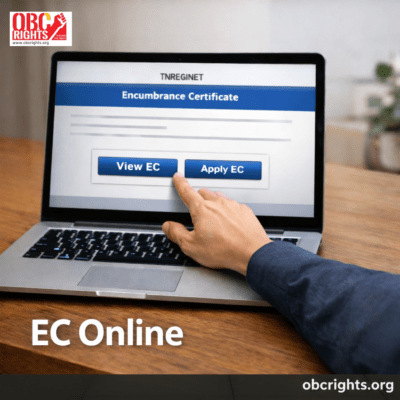
An Encumbrance Certificate helps identify registered financial liabilities or transactions associated with a property.
Check:
- Existing loans
- Mortgages
- Registered claims
- Previous transactions
Risk if ignored:
The buyer may face difficulties if financial liabilities are connected with the property.
Read our detailed guide on how to check Encumbrance Certificate online for step-by-step instructions.
4. Land Records and Property Classification Check
Before buying land, verify whether the land classification matches your intended purpose.
Check:
- Patta / revenue records
- Land classification
- Conversion approvals (if applicable)
- Survey details
Risk if ignored:
Land use restrictions may affect construction or future ownership plans.
5. RERA and Approval Verification for Flats
For apartments and housing projects, buyers should verify project-related approvals.
Check:
- RERA registration details
- Approved building plans
- Completion Certificate
- Occupancy Certificate
- Builder approvals
RERA information can help buyers review project details, registration status and related information before making a decision.
Risk if ignored:
Buyers may face issues related to delayed possession, approvals or project compliance.
6. Legal Heir Verification for Inherited Property
If the property comes through inheritance, verify whether all legal heirs have agreed to the sale.
Check:
- Legal Heir Certificate
- Family details
- Consent documents
- Required NOCs
Risk if ignored:
An heir who was not included in the transaction may later raise legal objections.
7. Power of Attorney Verification
If someone is selling property through a Power of Attorney, verify its validity.
Check:
- Whether POA is registered
- Whether it grants selling authority
- Whether it is active and not cancelled
Risk if ignored:
The sale may be challenged if the representative does not have valid authority.
Learn more in our detailed Power of Attorney in India guide
8. Property Tax and Utility Clearance
Verify whether previous dues have been cleared.
Check:
- Property tax receipts
- Electricity bills
- Water charges
- Other local dues
Risk if ignored:
Pending payments may become the buyer’s responsibility after purchase.
Additional Documents to Check for Apartments
For flats and apartments, also verify:
- Agreement for Sale
- Builder-buyer agreement
- Occupancy Certificate
- Completion Certificate
- Maintenance dues
- Society-related documents
These documents help confirm that the apartment complies with required approvals and occupancy conditions.
How Long Does Property Document Verification Take?
The time required depends on:
- Property type
- Location
- Availability of records
- Ownership history
- Number of documents involved
Basic checks may take a few days, while detailed title verification may require more time.
How Much Does Property Document Verification Cost?
The cost depends on:
- Property location
- Document complexity
- Professional legal assistance required
- Government record search charges
There is no fixed amount because every property transaction has different verification requirements.
Common Mistakes Buyers Make
Avoid these mistakes:
- Trusting only verbal promises from sellers
- Checking documents after payment
- Ignoring old ownership records
- Not verifying approvals
- Skipping professional legal review for high-value properties
Quick Property Safety Checklist
Before finalising a property purchase, confirm:
✅ Seller ownership is verified
✅ Title history is clear
✅ EC has been checked
✅ Land records match the property
✅ RERA details are verified for apartments
✅ Approvals are available
✅ Tax dues are cleared
✅ Boundaries match survey records
Frequently Asked Questions
1. What is property document verification?
Property document verification is the process of checking ownership, title history, approvals and legal records before buying property.
2. Which documents should I check before buying property in India?
Important documents include Sale Deed, Title Deed, Encumbrance Certificate, land records, approvals, tax receipts and RERA documents for apartments.
3. Is EC enough for property verification?
No. EC is an important document, but complete verification also includes ownership records, approvals, land records and other legal checks.
4. Should I verify property documents before registration?
Yes. Verification should be completed before finalising the purchase and registration process.
5. Is legal verification necessary before buying property?
For high-value property purchases, professional legal verification can help identify risks that may not be obvious from basic document checks.
Conclusion
Property document verification is an essential step before buying real estate in India. A careful review of ownership records, approvals, financial liabilities and property documents helps buyers make informed decisions.
Before investing your money, verify every document carefully because a property purchase is not only about ownership – it is about securing a legally safe investment.
Note:
This article is prepared by a real estate awareness researcher focusing on property documentation, land records, and legal verification processes in India. The content is based on common legal practices followed in property transactions.